National Museum of Denmark Visitor Guide
The National Museum of Denmark is Copenhagen’s main history museum, best known for tracing Denmark’s story from prehistory to the present under one roof. It’s broad rather than compact, so the challenge is to choose what not to rush. Most visits feel easiest when you start with Danish prehistory before the later galleries and world cultures. This guide helps you plan timing, entrances, pacing, and the exhibits most worth slowing down for.
Quick overview: National Museum of Denmark at a glance
If you want the short version before you plan the rest, these are the decisions that will shape your visit most.
- When to visit: The museum is open Monday-Sunday from 10am-5pm. The first hour after opening is noticeably calmer than 11:30am–3pm, because school groups and rainy-day museum traffic tend to build later in the day.
- Getting in: A standard entry ticket is valid for 1 year from the date of purchase. There is no strict timed entry, and you can visit anytime while the museum is open.
- How long to allow: 2–3 hours suits most visitors. It stretches for 4 hours if you add the ethnographic galleries, the Children’s Museum, or a guided visit to Klunkehjemmet.
- What most people miss: The Greenland and wider ethnographic galleries upstairs, and the small but important Dagmar Cross in the medieval rooms. Both add far more depth than many quick visits allow.
- Is a guide worth it? Yes, if you want a structured route through the museum’s biggest artifacts; if you’re comfortable exploring at your own pace, the map and audio guide are usually enough for a cheaper visit.
🎟️ English guided tours and Klunkehjemmet slots for National Museum of Denmark often fill 3–5 days ahead in July and August. Lock in your visit before the time you want is gone. Book tickets now.
Jump to what you need
🕒 Where and when to go
🗓️ How much time do you need?
🎟️ Which ticket is right for you?
🗺️ Getting around
🏺 What to see
♿ Facilities and accessibility
Where and when to go
How do you get to the National Museum of Denmark?
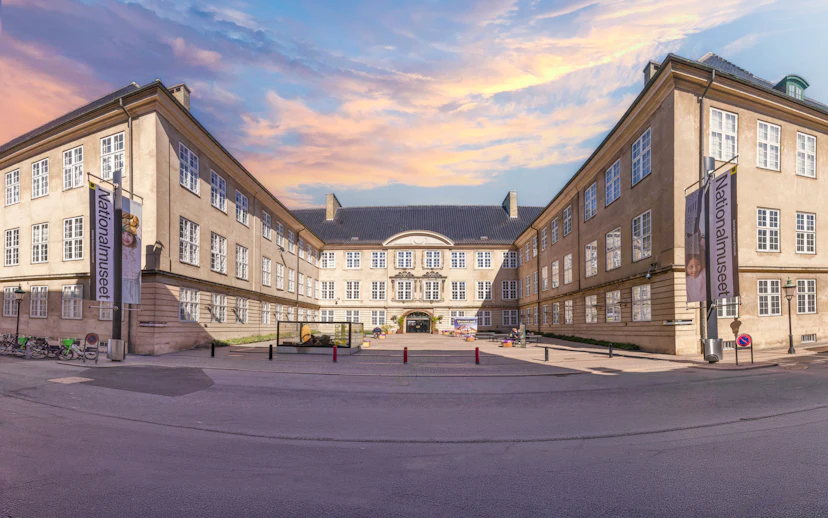
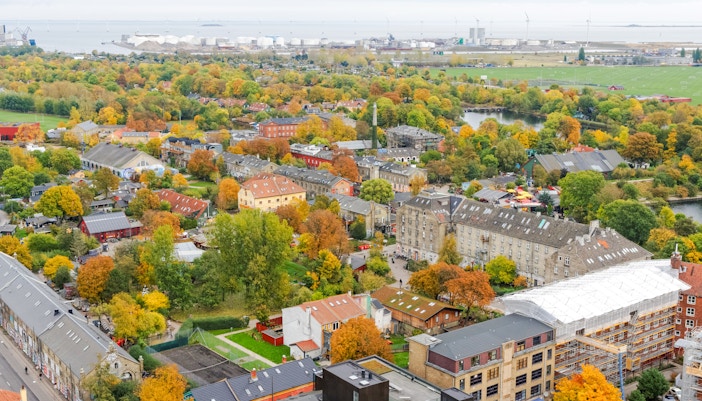
The museum sits in central Copenhagen, between Christiansborg and Strøget, about a 15-minute walk from Copenhagen Central Station and 5 minutes from Gammel Strand Metro.
- Metro: Gammel Strand (M3) → 5-minute walk → Exit via Vindebrogade and cross the canal for the easiest step-free approach.
- Bus: Line 2A, stop ‘Nationalmuseet’ → 2-minute walk → Best direct option from Copenhagen Central Station.
- Walk: Copenhagen Central Station → 15-minute walk → Straight down Vestergade if the weather is dry.
- Taxi / rideshare: Drop-off on Ny Vestergade → 1-minute walk → Useful if you want to avoid the canal crossings with luggage or a stroller.
Which entrance should you use?
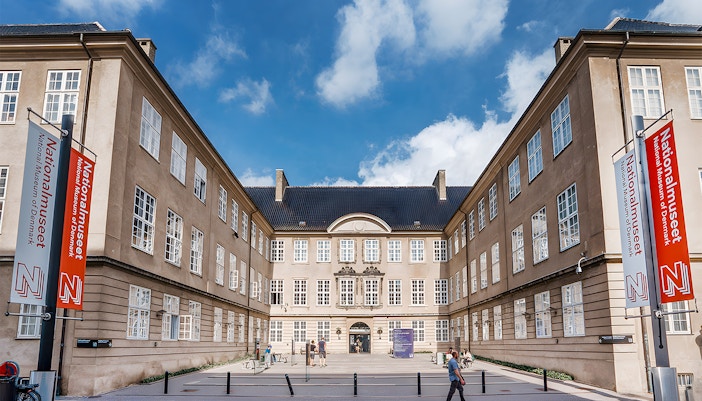
The setup is straightforward, there’s one main public entrance, and the mistake most visitors make is assuming they need to hunt for a timed-entry door or a separate tour entrance.
- Main entrance: Located on Ny Vestergade. Best for all visitors, including online ticket holders and Copenhagen Card users. Expect around 10 minutes’ wait most days, and up to 10–15 minutes around 11am–1pm in July or on rainy weekends.
When is the National Museum of Denmark open?
- Monday–Sunday: 10am–5pm
- Last practical entry: 3:30pm if you want more than a quick highlights loop
When is it busiest? Late mornings and early afternoons in June–August are the heaviest, especially when school groups overlap with tourists and rainy weather pushes more people indoors.
When should you actually go? Aim for 10am–11am on a weekday, when the Danish history galleries are easiest to move through and the headline artifacts are still visible without crowding.
How much time do you need?
| Visit type | Route | Duration | Walking distance | What you get |
|---|---|---|---|---|
Highlights only | Prehistory → Viking galleries → strongest medieval rooms → exit | 2–2.5 hrs | ~1 km | Covers the museum’s signature Danish history objects without rushing, but skips most of the upstairs world-culture depth and family spaces. |
Balanced visit | Prehistory → Vikings → medieval galleries → Greenland or ethnographic rooms → exit | 2.5–3 hrs | ~1.5 km | Adds the quieter upper galleries that many visitors miss, and gives the visit better range without turning into an all-day museum stop. |
Full exploration | Prehistory → Vikings → medieval galleries → People of the Earth → Children’s Museum or Klunkehjemmet → exit | 4 hrs | ~2 km | Gives you the fullest sense of the museum, including ethnographic rooms and family or guided add-ons, but it only works if you pace yourself beyond the Viking galleries. |
Which National Museum of Denmark ticket is best for you
| Ticket type | What's included | Best for | Price range |
|---|---|---|---|
General admission | Museum entry + permanent exhibitions + temporary exhibitions + Children’s Museum | A flexible visit where you want to choose your own pace and don’t need a fixed tour time. | From 135 DKK |
How do you get around the National Museum of Denmark?
The museum is broad and multi-floor rather than maze-like, with Danish history unfolding mostly in chronological order and the world-culture collections branching off upstairs. It’s easy to self-navigate for highlights, but easy to miss whole sections if you move too quickly after the Viking galleries.
Museum layout and suggested route
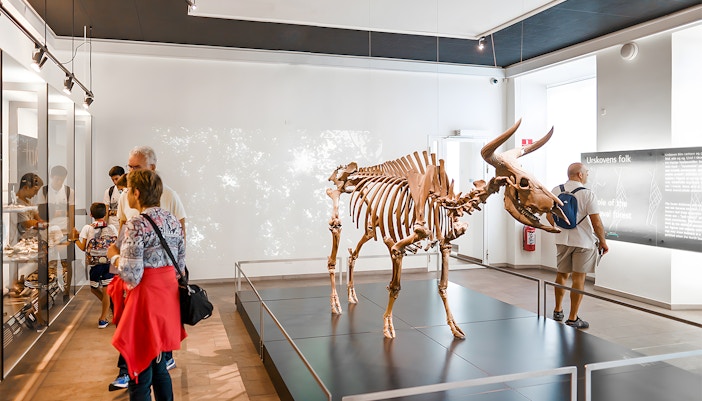
- Ground floor: Danish prehistory and Viking Age → Sun Chariot, Egtved Girl, Gundestrup Cauldron, and gold hoards → budget 60–90 minutes.
- Upper Danish history galleries: Middle Ages, Renaissance, religious art, and coins → slower, quieter rooms with some of the easiest-to-miss objects → budget 45–60 minutes.
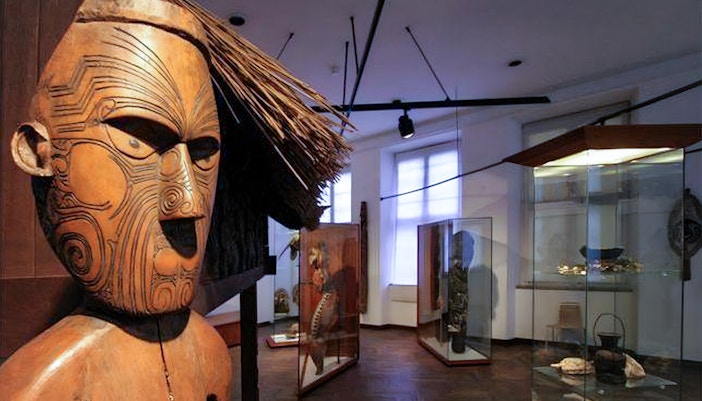
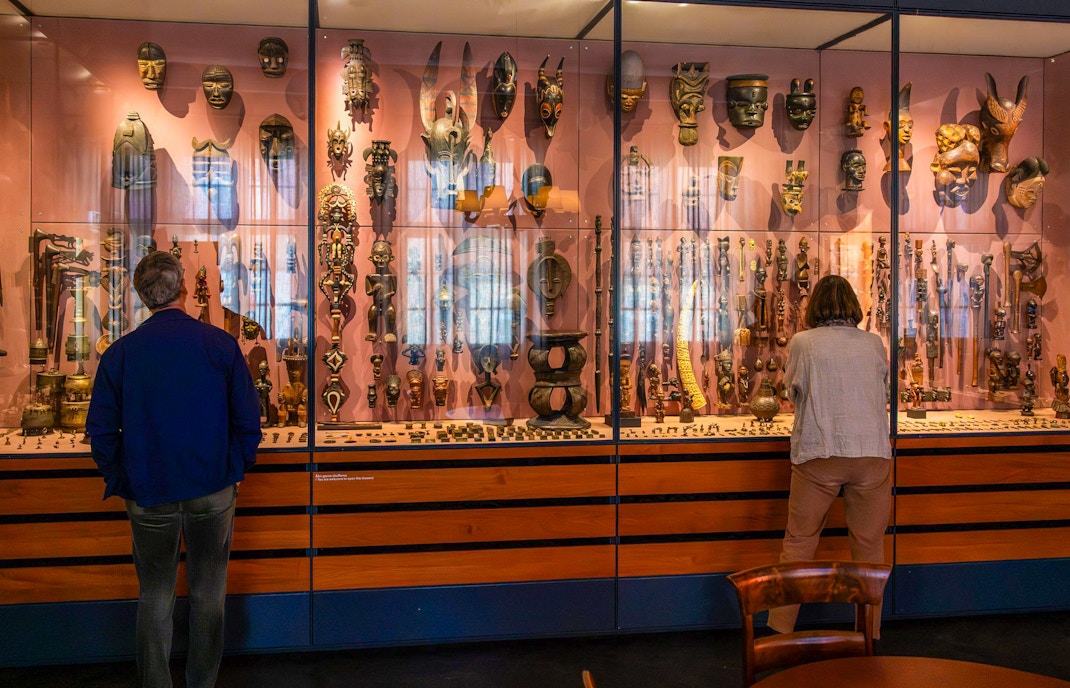
- People of the Earth: Greenland and global ethnographic collections → a strong change of pace after Denmark’s history → budget 45–60 minutes.
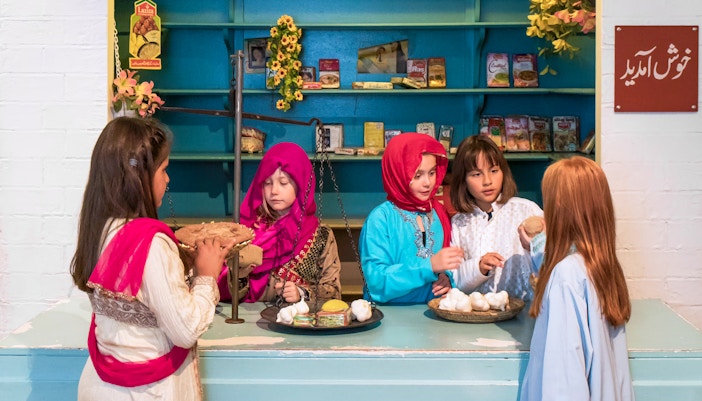
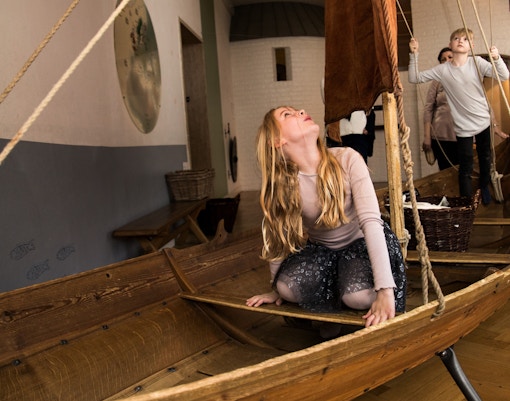
- Children’s Museum: Hands-on family zone with role-play spaces → worth a proper stop if you’re visiting with kids → budget 30–45 minutes.
Suggested route: Start with prehistory and the Viking rooms while your energy is highest, continue through the medieval galleries, then decide whether to finish with Klunkehjemmet or the ethnographic rooms. Most visitors stop after the Vikings and miss the upstairs galleries entirely.

Maps and navigation tools
- Map: Free paper map + downloadable museum map → covers floors and major galleries → pick it up at the entrance before you start.
- Signage: Good within each gallery sequence, but weaker when moving between floors, so a map genuinely saves backtracking.
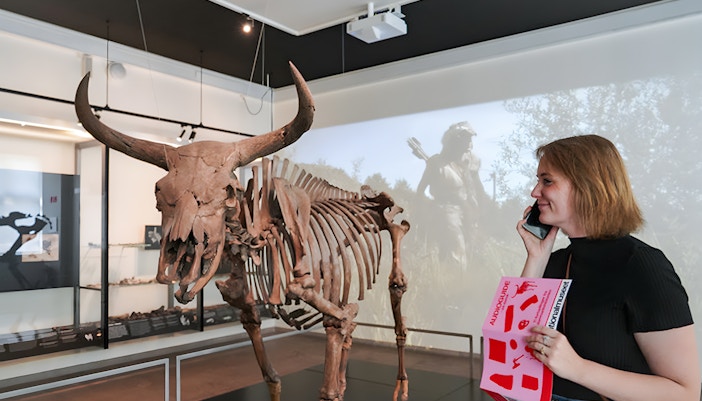
- Audio guide / app: Available via the museum’s app and Wi-Fi → adds context in English and other languages → worth it if you’re visiting without a guide.
💡 Pro tip: Don’t treat the Viking rooms as your finish line. If you still have an hour left, go upstairs before taking a café break, or you may never circle back to the Greenland and ethnographic galleries.
Where are the masterpieces inside National Museum of Denmark?
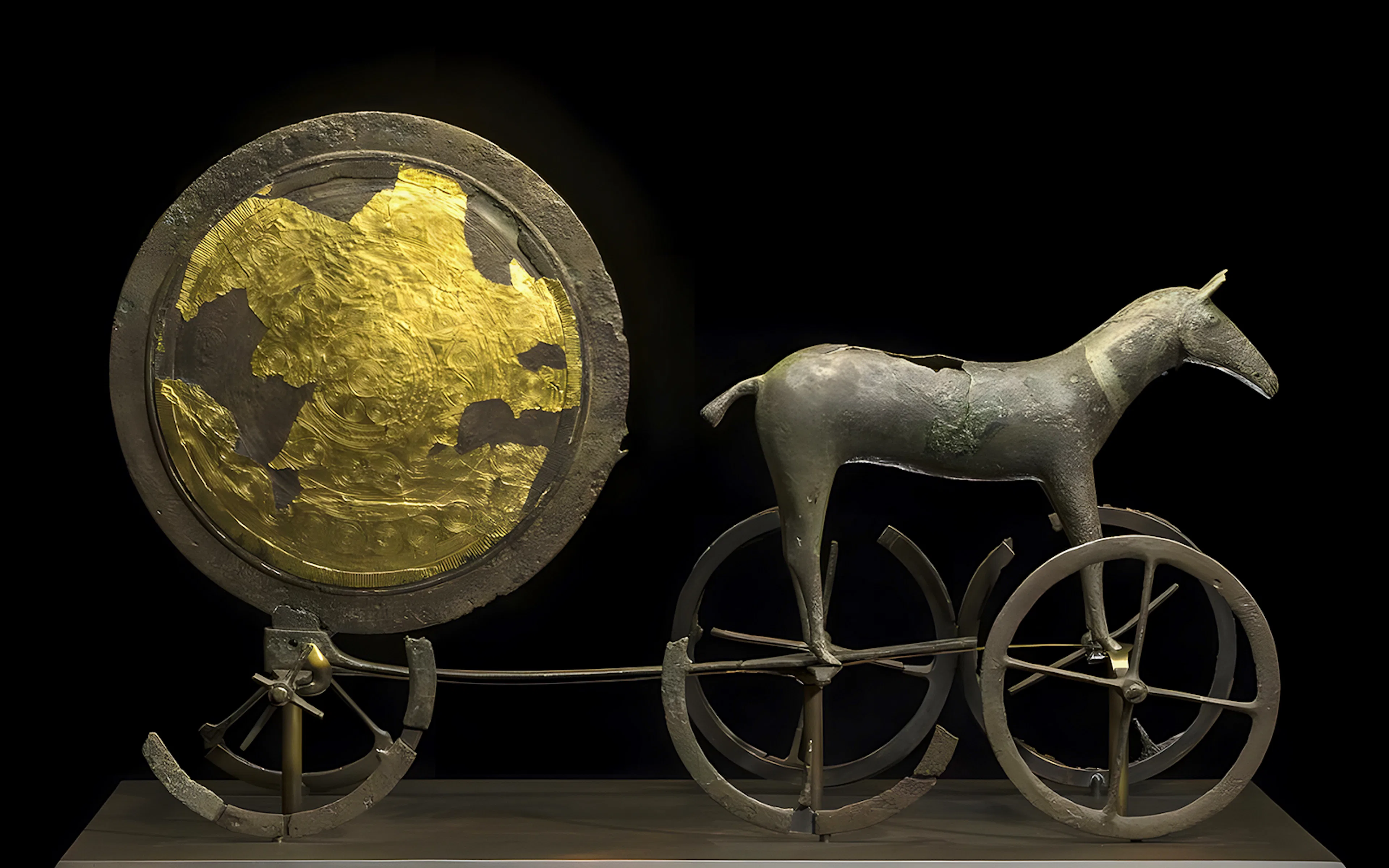
Trundholm Sun Chariot
Era: Bronze Age, c. 1400 BC
This is the museum’s signature object: a bronze horse pulling a gold-faced sun disk, found in a Danish bog and tied to Bronze Age ideas about how the sun moved across the sky. It’s small enough that some visitors expect less, but the craftsmanship is what makes it memorable. Most people rush the horse and focus only on the disk.
Where to find it: Danish Prehistory galleries, in the Bronze Age section near the main highlights route.
Egtved Girl
Era: Bronze Age burial, c. 1370 BC
The Egtved Girl’s grave is one of the museum’s most human exhibits. A teenage girl is laid in an oak coffin with clothing, hair, and personal effects preserved in remarkable detail. It matters because it turns prehistory into an individual story rather than a timeline. Many visitors don’t give their eyes time to adjust to the dim case lighting and miss the finer textile details.
Where to find it: Danish Prehistory galleries, in a lower-lit room after the main Bronze Age cases.
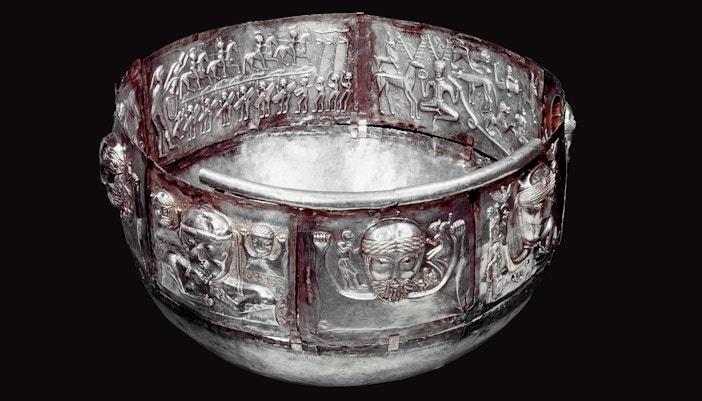
Gundestrup Cauldron
Era: Iron Age, c. 1st century BC
This enormous silver cauldron stands out for its scale and the dense mythic imagery worked across its panels. It rewards a slow, full circle because the carvings only make sense once you stop trying to view it from one angle. What people often miss is how unusual it is in a Danish context, its style points to wider European connections.
Where to find it: Iron Age section of the Danish history galleries, in a central display case with space to walk around it.
Viking gold ring and hoards
Era: Viking Age
The Viking rooms are packed, but this section is where the museum’s wealth stories really land: heavy gold, silver coin hoards, and jewelry that show power as much as craftsmanship. The standout is the massive gold ring often described as Denmark’s heaviest Viking gold treasure. Many visitors scan the cases too quickly and miss the difference between imported silver and locally made prestige objects.
Where to find it: Viking World galleries, in the treasure displays after the broader Viking introduction rooms.
Dagmar Cross
Era: Medieval, c. 1200
This small jeweled reliquary cross is easy to overlook after the drama of the Viking collection, but it’s one of the museum’s most important medieval objects. Its value is symbolic as much as artistic, linking Danish royal memory to wider Christian Europe. Visitors often walk straight past it because the surrounding church art pulls the eye toward larger pieces.
Where to find it: Middle Ages and Renaissance galleries, near the altar and ecclesiastical displays.
Inuit gut parka
Culture: Greenlandic Inuit, 19th century
This waterproof hunting parka made from seal intestine is one of the smartest objects in the museum. It is practical, technical, and striking once you realize what you’re looking at. It helps the Greenland galleries feel less like an add-on and more like a necessary part of Denmark’s wider story. Many visitors miss the child’s outfit and protective amulets nearby, which add emotional depth to the display.
Where to find it: People of the Earth galleries, in the Greenland section upstairs.
Klunkehjemmet
Era: Late 19th century Copenhagen
Klunkehjemmet is a preserved Victorian apartment rather than a typical museum room, and that’s exactly why it sticks with people. It gives you domestic texture, including furniture, décor, and daily life. What many visitors miss is that you can’t just wander in whenever you like; access is usually through a guided slot, so it needs planning.
Where to find it: Upper floor, accessed through the timed Klunkehjemmet guided visit.
Facilities and accessibility
- 🎒 Cloakroom / lockers: Free lockers are available for coats and bags, and they make a long visit much easier than carrying extra layers through the galleries.
- 🚻 Restrooms: Restrooms are available on-site, but they can feel limited for the size of the museum at busy times.
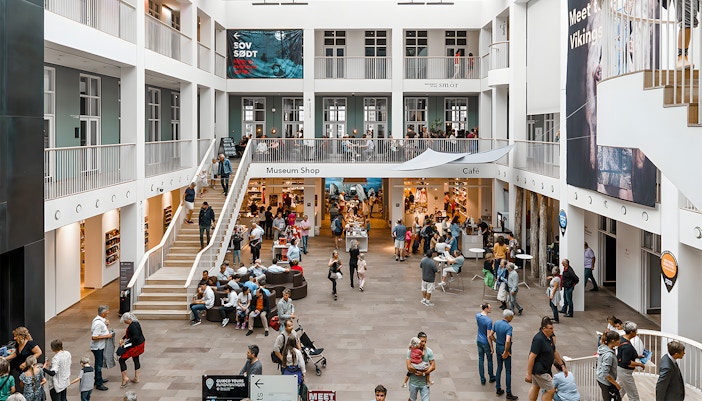
- 🍽️ Café / restaurant: There’s a museum café for lighter breaks and an on-site smørrebrød restaurant if you want a more substantial lunch without leaving the building.
- 🛍️ Gift shop / merchandise: The shop near the exit is best for history books, Viking-themed souvenirs, and smaller design-led gifts.
- 🪑 Seating / rest areas: The main resting spots are around the café and circulation areas, but seating inside the galleries is fairly limited.
- 📶 Wi-Fi: Free Wi-Fi is available and useful if you want to use the museum’s audio guide app.
- 👶 Baby carriers: Baby carriers can be borrowed, which helps on busy days when large strollers are better left at the cloakroom.
- ♿ Mobility: The museum is wheelchair accessible, with elevators to all floors and wheelchairs available to borrow for the visit.
- 👁️ Visual impairments: The museum app and audio guide are the most useful support tools here, especially if you want spoken interpretation instead of relying only on display text.
- 🧠 Cognitive and sensory needs: The quietest window is usually 10am–11am on weekdays, while the Children’s Museum and headline Viking rooms are typically the loudest once school groups arrive.
- 👨👩👧 Families and strollers: The route from Gammel Strand is step-free, most public areas are stroller-friendly, and baby carriers help if you don’t want to maneuver a large stroller through busier rooms.
The museum works well for children when you treat it as a mix of hands-on stops and big visual artifacts rather than a full scholarly sweep.
- 🕐 Time: 90 minutes to 2 hours is realistic with younger children, and the best priorities are the Children’s Museum, the Viking galleries, and a short prehistory stop.
- 🏠 Facilities: The Children’s Museum is the main family asset, and lockers plus on-site food make it easier to travel light.
- 💡 Engagement: Let kids look for one object per era, including a horse, a ship, a sword, a crown. So the chronology feels like a game instead of a lecture.
- 🎒 Logistics: Arrive close to opening, pack light, and use a carrier if you want the smoothest route through the busiest rooms.
- 📍 After your visit: Tivoli Gardens is about a 15-minute walk away and works well as a higher-energy second stop after a museum morning.
Rules and restrictions
What you need to know before you go
- There is no timed general entry, and children under 18 enter free with valid ID.
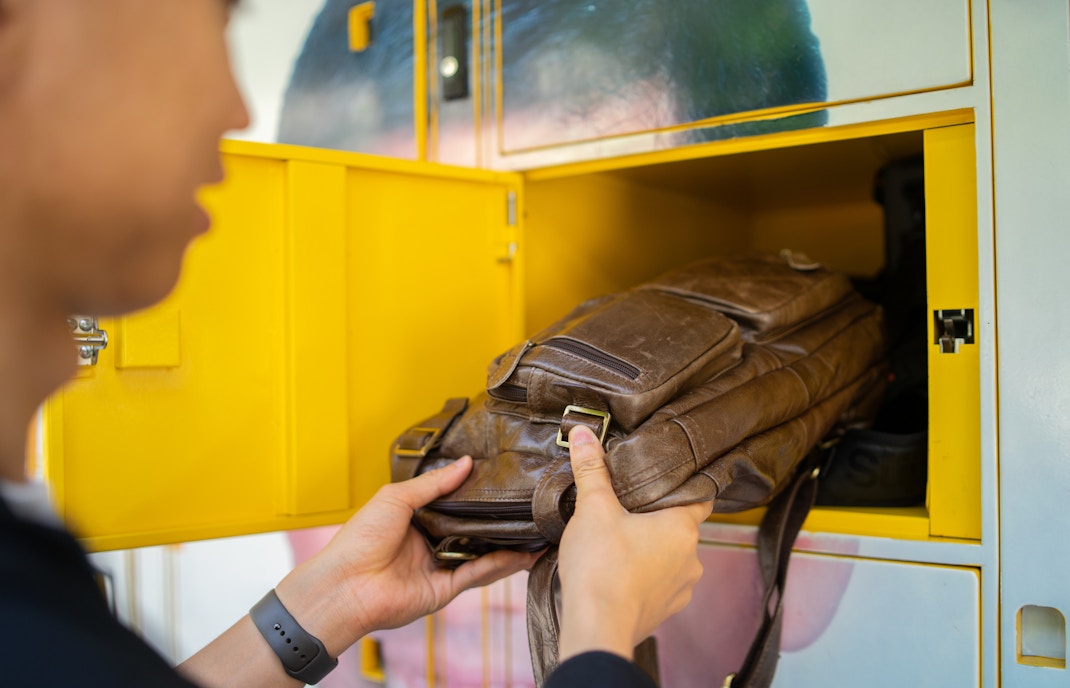
- Use the free lockers for coats and larger bags so you’re not carrying them through several floors of galleries.
- Same-day re-entry is allowed, which makes it easier to break for lunch or fresh air without losing your visit.
Not allowed
- Unless a display is clearly marked hands-on, don’t touch objects or climb on reconstructions, because most pieces are fragile and closely monitored.
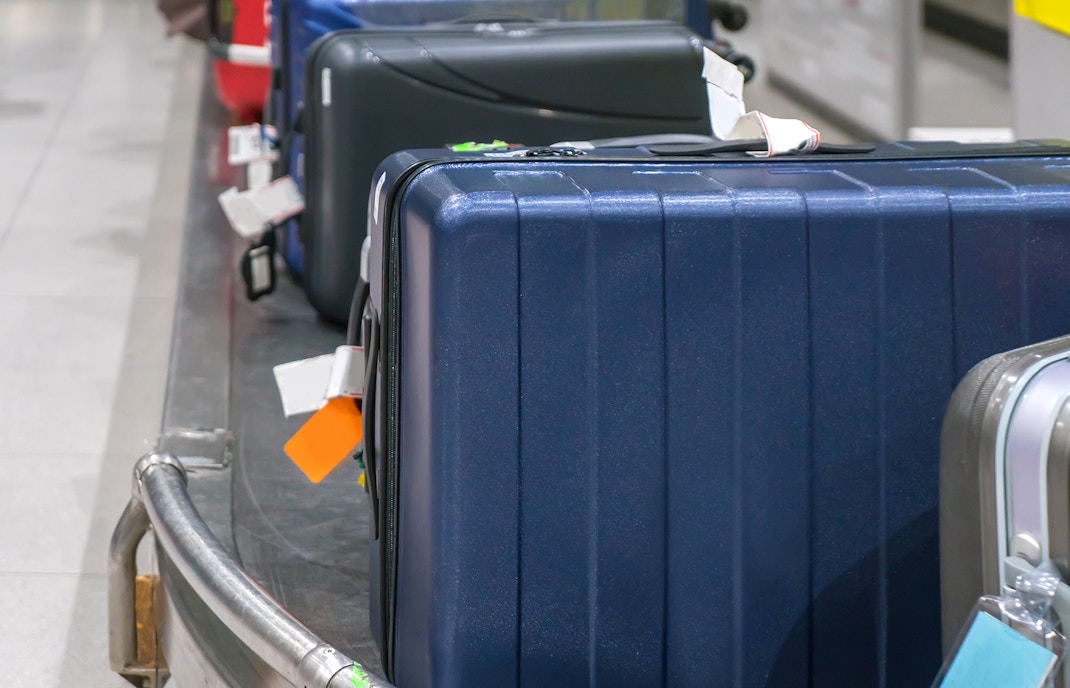
- Any large bags or luggages are not allowed inside the exhibition spaces.

Photography
- Photography is generally allowed in the museum’s permanent galleries as long as you keep flash off.
- If you’re visiting a temporary exhibition or a guided-access space, check the room signage because photography rules can be tighter there.
- Handheld phone photos are the safest assumption throughout the building.
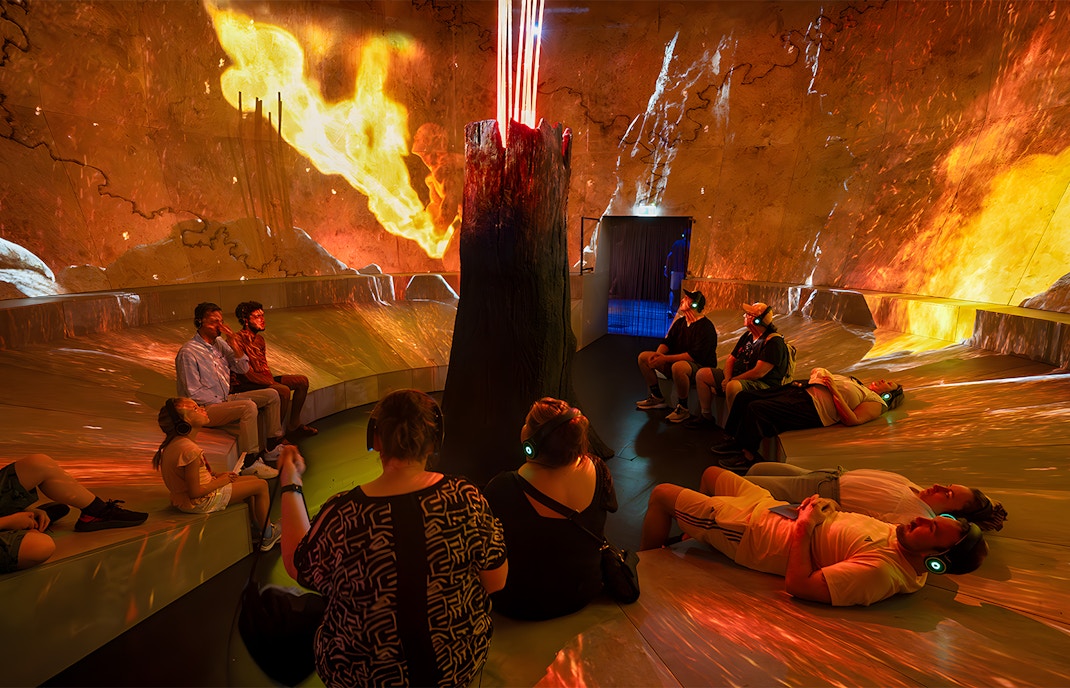
Good to know
- The Victorian apartment is usually only accessible on a guided slot, so don’t leave it to the end of your visit and assume you can walk straight in.
- Rainy afternoons can feel busier than sunny ones because the museum is a popular indoor fallback in central Copenhagen.
Practical tips
- Booking and arrival: General entry rarely needs advance booking, but you should book tickets for any special events a few days ahead.
- Pacing: Spend your best attention early on the prehistory and Viking rooms, because they carry the museum’s strongest objects and the densest crowds; the medieval rooms are quieter and easier later.
- Crowd management: The best slot is right after 10am on a weekday, when you can see the Sun Chariot and Viking treasures before school groups and wet-weather visitors thicken the route.
- What to bring or leave behind: Bring only a small day bag if you can. Even with free lockers, moving lightly helps in the narrower rooms and on the stair-heavy transitions between sections.
- Food and drink: If you want a proper sit-down lunch, either eat before noon on-site or wait until after 2pm; the middle of the day breaks your momentum and is when the museum feels the fullest.
- Route planning: If Klunkehjemmet is on your list, check its tour time as soon as you arrive and shape the rest of your visit around it rather than hoping it lines up naturally.
- Families: With children, do the Children’s Museum first, then choose one or two big-ticket galleries instead of trying to “complete” the whole building.
What else is worth visiting nearby?
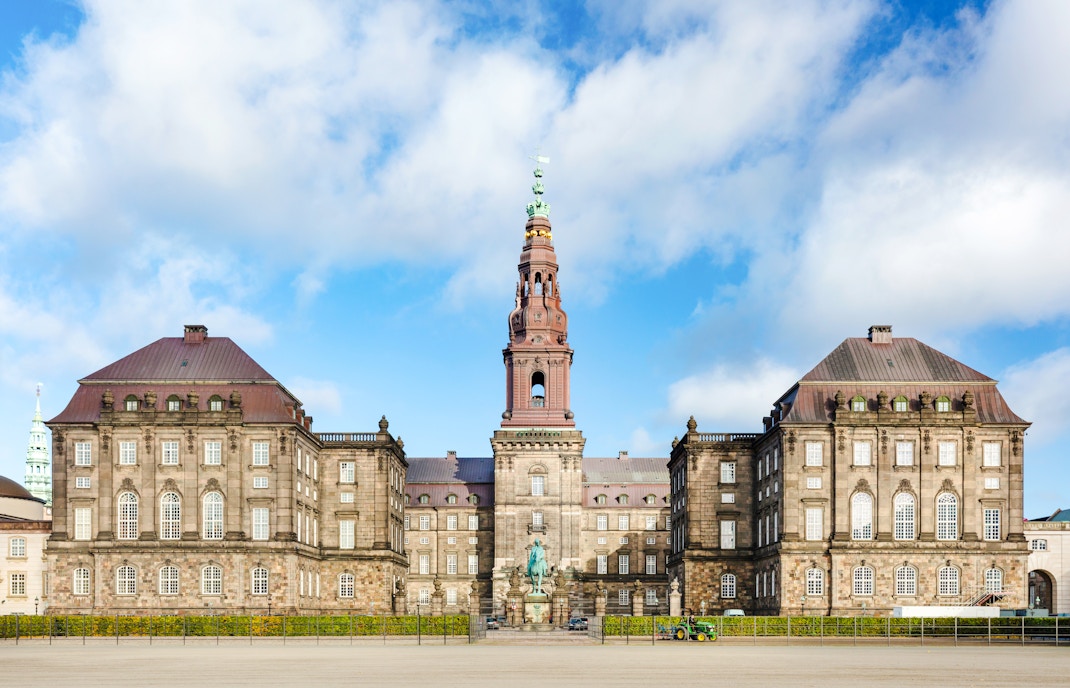
Commonly paired: Christiansborg Palace
Distance: 400m — 5-minute walk
Why people combine them: It’s the clearest same-day pairing if you want Denmark’s story to move from artifacts to royal and political spaces without crossing the city.
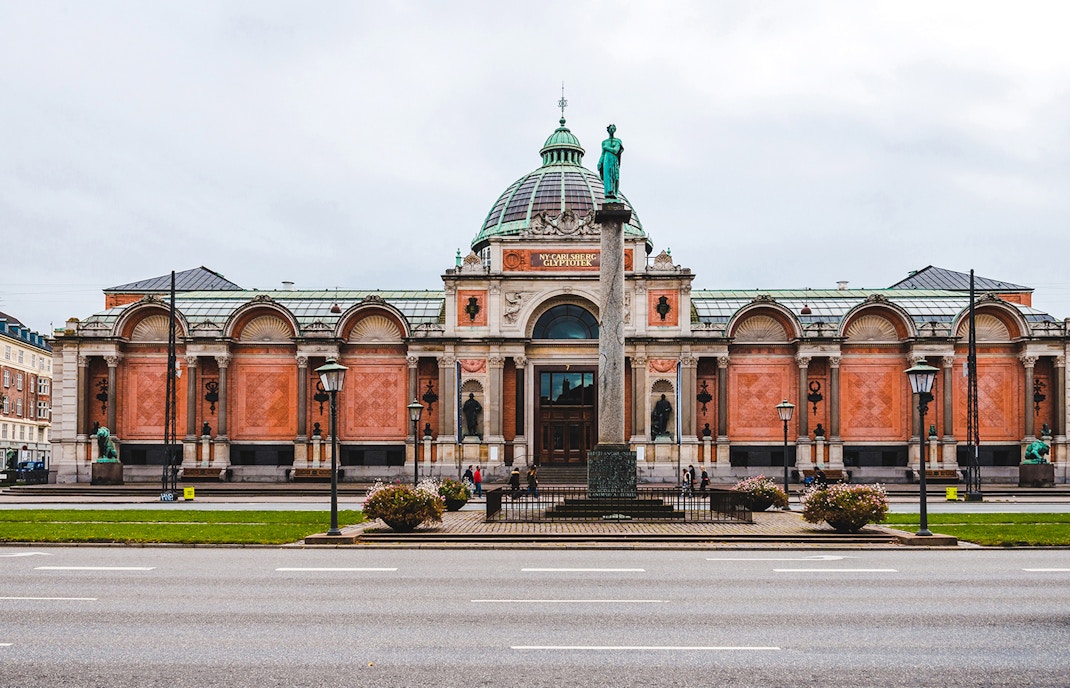
Commonly paired: Ny Carlsberg Glyptotek
Distance: 700m — 10-minute walk
Why people combine them: The museum gives you Denmark’s historical backbone, while the Glyptotek shifts the day toward art, sculpture, mummies, and a more atmospheric gallery experience.
Eat, shop and stay near National Museum of Denmark
On-site: The museum café and on-site smørrebrød restaurant are convenient for a mid-visit break; useful, but best before 12 noon if you want to avoid the busiest lunch window
Better options nearby:
- TorvehallerneKBH food market (12–15 min by metro): One of Copenhagen’s best food halls for smørrebrød, pastries, coffee, and international street food. Great variety and better quality than typical museum cafés, though it gets crowded around lunch hours.
- Restaurant Kronborg (10 min walk): Traditional Danish open-faced sandwiches and classic local dishes in a cozy setting. A good choice if you want an authentic smørrebrød experience after visiting the museum.
- Museum shop (near the exit): You can buy Viking-inspired souvenirs, Nordic design items, archaeology books, children’s toys, postcards, jewelry, and Danish crafts linked to the museum’s exhibitions. Prices are higher than standard souvenir stores, but the selection is more curated and historically themed. Good for unique gifts and quality design pieces rather than budget shopping.
- Price point: Mostly mid-range and upscale hotels in central Copenhagen, with fewer budget options. Expect higher prices for the convenience of staying within walking distance of major attractions and transport options.
- Best for: Travelers planning a short Copenhagen stay who want easy access to National Museum of Denmark, Christiansborg Palace, Strøget, canal tours, and other central landmarks without relying heavily on public transport.
- Consider instead: Vesterbro for a livelier restaurant and nightlife scene with slightly better hotel value, or Nyhavn and Kongens Nytorv for a more scenic waterfront atmosphere and stronger evening ambiance.
Frequently asked questions about visiting National Museum of Denmark
Most visits take 2–3 hours. If you want the Danish history galleries, the ethnographic rooms, the Children’s Museum, and a Klunkehjemmet tour, plan closer to 4 hours. If you arrive after 3:30pm, you’ll usually only have time for highlights.
The museum does not normally sell out for standard entry, and walk-ins are common. However, it’s always smarter to pre-book your tickets in advance.
You don’t need to arrive early for general admission because there is no timed standard entry. For any special timed experiences, aim to be there 10–15 minutes early so you can use lockers and find the meeting point without rushing.
Yes, but it’s better to travel light. Free lockers are available, and using them makes a long visit much more comfortable than carrying coats or a large backpack through several floors of galleries.
Yes, photography is generally allowed in the permanent galleries if you keep flash off. Temporary exhibitions or guided-access spaces can have stricter rules, so check local signage in those rooms before taking pictures.
Yes, group visits are straightforward, and the museum also offers guided formats for groups. If you’re traveling with 10 or more people, it’s worth arranging ahead rather than arriving unannounced, especially in summer or on weekends.
Yes, it works well for families, especially because the Children’s Museum adds a hands-on layer that breaks up the object-heavy galleries. Younger children usually do best with a 90-minute to 2-hour visit built around the Viking rooms, prehistory, and role-play spaces.
Yes, the museum is wheelchair accessible. Elevators serve all floors, the route from Gammel Strand is step-free, and wheelchairs are available to borrow, which makes it one of the easier large museums in Copenhagen to navigate.
Yes, there is food on-site, including a café and an on-site smørrebrød restaurant. Because the museum is in central Copenhagen, you’re also within an easy walk of many other lunch options if you’d rather eat before or after the visit.
Yes, the museum is accessible for international visitors and English support is strong enough for a self-guided visit. If you want more context than the gallery labels provide, the audio guide app is the best upgrade.
Yes, the museum is included in the Copenhagen Card. That makes it a strong value stop if you’re planning to visit several paid attractions in a short stay, especially because the museum sits close to other central sights.
Yes, English guided tours run on selected dates and are most useful if you want help prioritizing the museum’s biggest artifacts. They’re especially worth considering in summer, when the museum is busier and the best-led slots can fill a few days ahead.
More reads
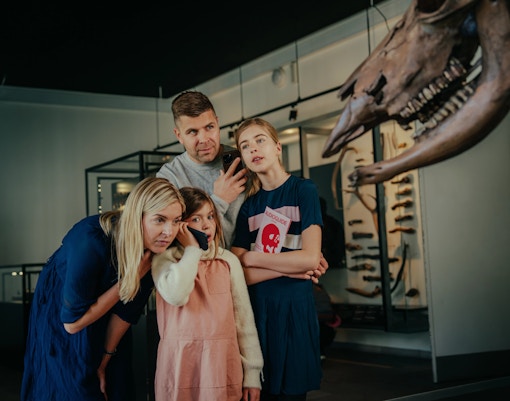
National Museum of Denmark tickets

National Museum of Denmark highlights
Getting to National Museum of Denmark